Published 11 October 2026 (IST).
South Korea’s container ship PanStar Acro returned to Busan on Sunday, 11 October, completing the country’s first commercial round trip to Europe through Arctic waters. Its 50-day journey, which began on 22 August, demonstrates that the route can be navigated commercially but does not settle questions about reliable schedules, costs or geopolitical risks.
Key points
- South Korea’s PanStar Acro returned to Busan on October 11 after completing a 50-day Arctic-Europe commercial round trip.
- The ship called at Felixstowe, Rotterdam and Gdansk on its European leg, according to Reuters’ report of the completed journey.
- Officials see potential time savings, but ice conditions, insurance, cargo demand and Russia-linked political risks remain barriers to regular services.
What happened on the voyage
PanStar Acro departed South Korea on 22 August and travelled through Arctic waters before calling at the British port of Felixstowe. Rotterdam in the Netherlands and Gdansk in Poland were further stops before the vessel returned to South Korea. Reuters reported the arrival in Busan on 11 October, 50 days after the departure.
South Korean authorities have suggested that Arctic shipping could shorten some Asia-Europe trips by roughly a third. That is an indicative route comparison, not a guarantee for every ship, season or customer. The actual return voyage provides useful evidence about operational feasibility while leaving its commercial viability open.
Context: a route with difficult trade-offs
The northern sea route runs along Russia’s Arctic coast. That geography creates practical issues concerning permissions, ice-related support and the wider diplomatic environment. Reuters reported that South Korean officials consulted Moscow about potential assistance on the route.
Commercial scale is another unresolved question. PanStar had reportedly sought about 1,300 standard twenty-foot container units for the test, but left with 737 loaded units plus empty containers. That difference matters because carrying sufficient revenue-generating cargo is essential to making any time saving worthwhile.
Why it matters
For importers and exporters, a possible shorter passage can be attractive, particularly for time-sensitive goods. However, reliability counts as much as sailing distance: delays from ice, extra insurance charges, navigation constraints and fluctuations in fuel use can erase expected savings. Ship operators will need repeated trips across different conditions before claiming predictable costs or delivery dates.
South Korean authorities are exploring regular services by 2030, but today’s voyage is a trial result rather than the launch of a fully scheduled commercial corridor. Readers can follow further developments in our International coverage and our recent shipping-sanctions report for a different illustration of maritime trade risks.
Sources
- Reuters: PanStar Acro return to Busan, 11 October 2026.
- Reuters: commercial voyage departure, 22 August 2026.
- Korea JoongAng Daily: the ship’s September arrival in Britain.
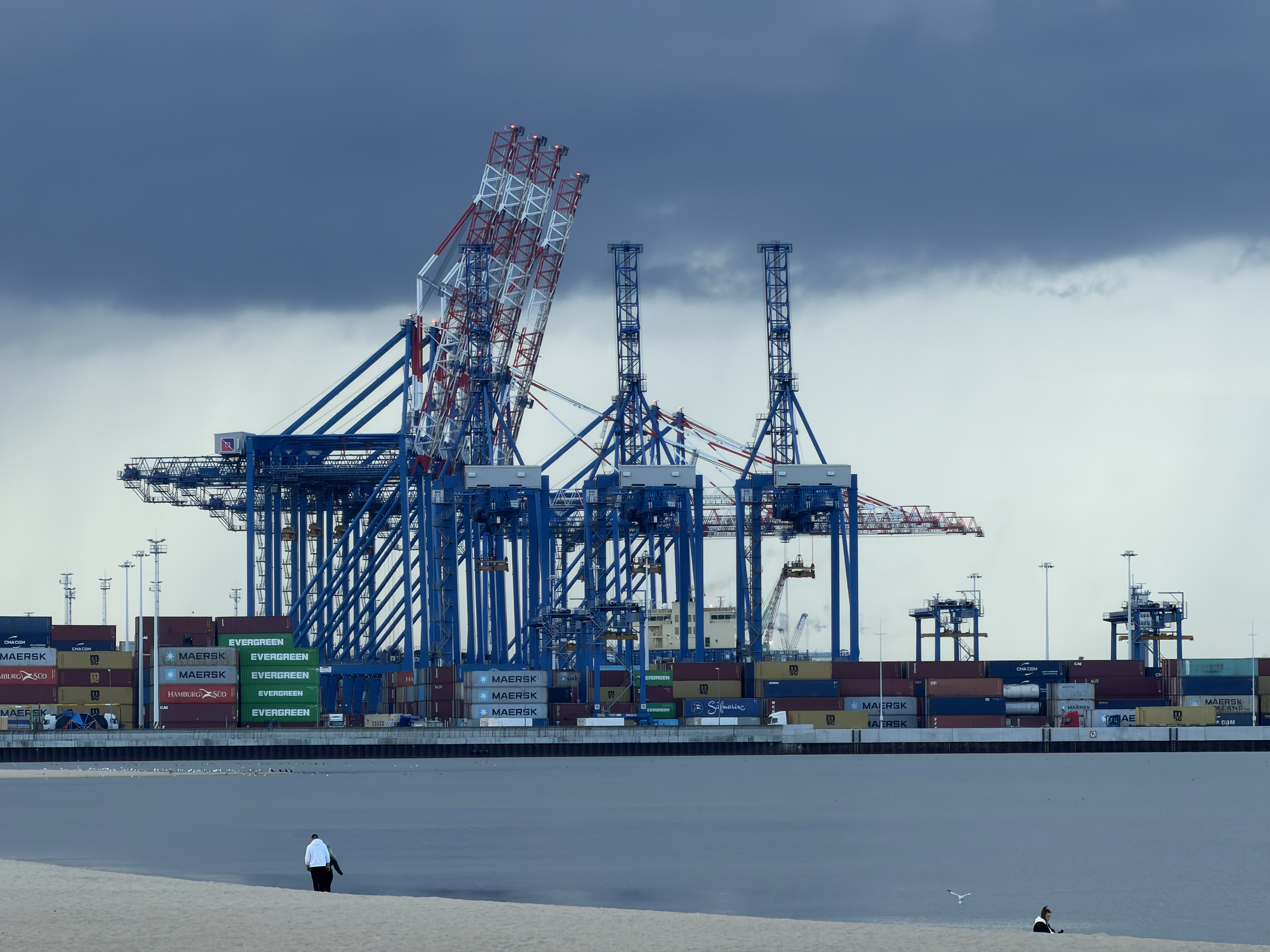
Archival photograph of the actual PanStar Acro at Baltic Hub, Gdansk, on 18 September 2026; not the 11 October arrival in Busan. Photo: Karmelki90, Wikimedia Commons, CC0 1.0. Original file unmodified; the website may crop it for display.
Editorial disclosure: AI tools assisted with the preparation of this original article; the dated voyage and shipping details were checked against the cited reports.




Leave a Reply