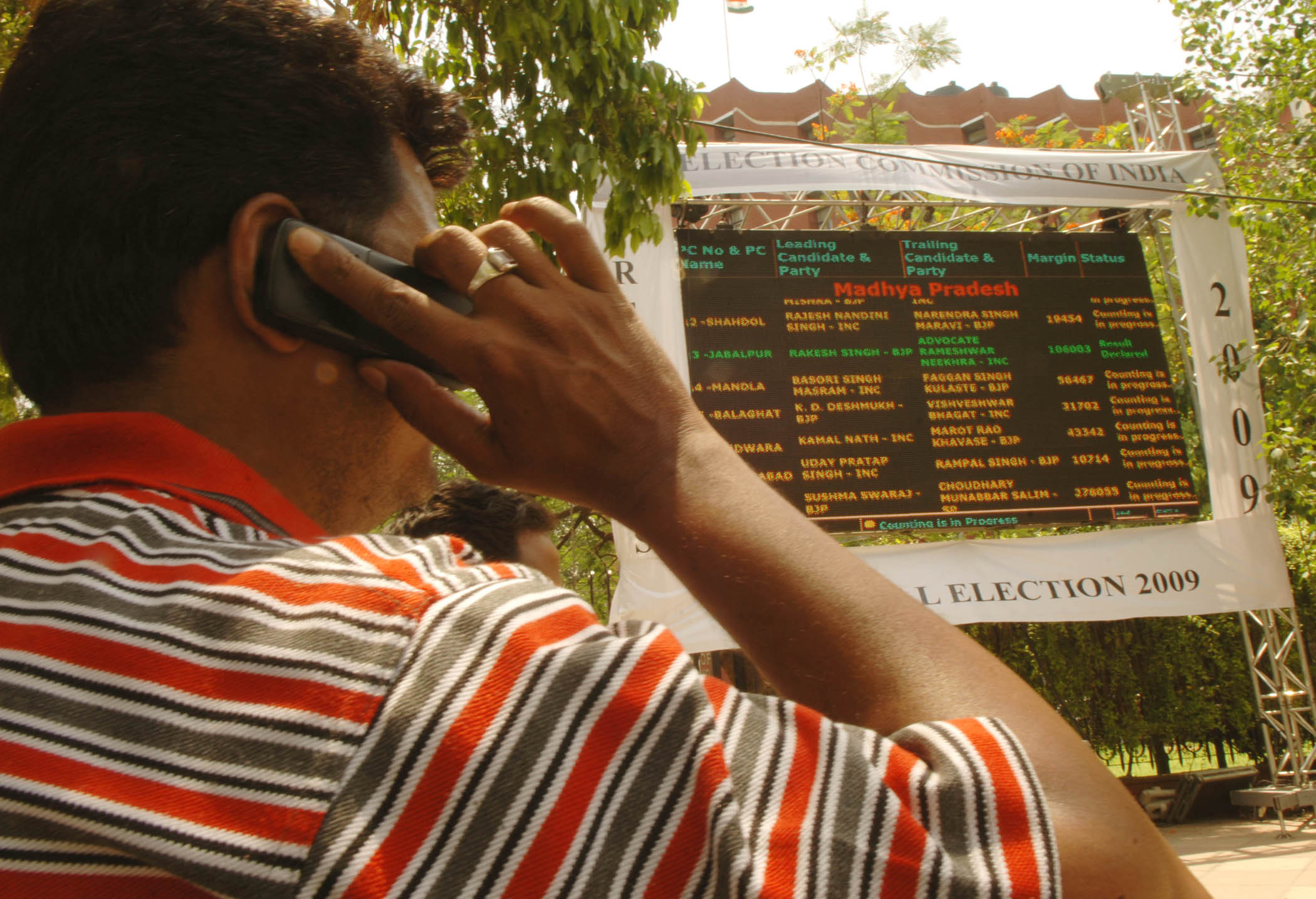
Protests demanding the resignation of Chief Election Commissioner Gyanesh Kumar continued in Delhi and other Indian cities over the weekend, with demonstrators challenging the Election Commission’s voter-roll revision process. The Election Commission and the government reject allegations that electoral rolls were manipulated for political benefit.
Key points
- Demonstrations demanding CEC Gyanesh Kumar’s resignation continued in Delhi and other cities.
- Protesters allege voter-roll manipulation, while the Election Commission says its revision process is lawful and transparent.
- Reuters reported detentions during the demonstrations and said leaders of the youth-led movement were later released under court orders.
Context
Reuters reported on October 11 that protesters were detained during a second day of demonstrations and that activists continued to press for Kumar’s removal. The protests follow weeks of opposition allegations about deletions and additions during electoral-roll revisions. Those allegations are politically contested and are not established as fact in this report.
The Election Commission’s official material says the Special Intensive Revision is intended to ensure that eligible electors are included and ineligible entries excluded, and it describes the process as transparent. Reuters’ broader explainer on the verification drive records both opposition concerns and the Commission’s position that deletions are legally justified and not politically motivated.
Why it matters
Electoral rolls determine who can vote, so disputes about revision procedures have direct implications for public confidence. At the same time, claims of partisan manipulation require evidence and institutional or judicial scrutiny. Reporting should distinguish the fact of protests and detentions from the unresolved allegations that motivate them.
For continuing coverage, visit our Politics section and our earlier CEC protest report.
Sources and image credit
Sources checked October 12, 2026: Reuters, October 11; Reuters background on voter verification; Election Commission of India.
Archival photograph: media activity at the Election Commission of India’s Nirvachan Sadan office, New Delhi, 16 May 2009. Source: Election Commission of India / PIB under the Government Open Data Licence–India. Commons file page. It is not a photograph of the October 2026 protests.
AI-assisted original report based on the linked sources; political allegations and institutional denials are explicitly attributed.



Leave a Reply