The Reserve Bank of India has introduced measures that make some large rupee hedges more expensive and restrict how cancelled rupee-linked derivatives can be rebooked, Reuters reported on October 12. The changes come as companies seek more protection against currency weakness and banks manage elevated foreign-exchange demand.
Key points
- Reuters reports new RBI measures affecting large current-account-related rupee hedges.
- Banks must hold reserves against certain large hedges, while rebooking of cancelled rupee-linked derivatives is being limited.
- The central bank’s standing framework allows INR derivatives for hedging exchange-rate risk, subject to applicable rules and documentation.
Context
Reuters said the fresh measures apply to current-account-related foreign-exchange transactions above $2 million and are expected to increase hedging costs for affected users. It also reported that the RBI is supplying dollars directly to oil marketing companies through a dedicated window, reducing some demand in the wider market. The exact cost for a company will depend on its bank, transaction, maturity and eligibility.
The RBI’s published foreign-exchange derivative directions provide the broader regulatory context: authorised dealers may offer deliverable INR-linked derivatives to users for hedging, while permitted products and documentation differ by user and purpose. The central bank’s public FAQ similarly describes FCY-INR derivatives as tools for hedging exchange-rate risk. Those standing documents are background; the specific October 12 operational changes are attributed here to Reuters’ reporting.
Why it matters
Importers, exporters and other companies with genuine currency exposure often use forwards and other derivatives to reduce uncertainty. Higher hedge costs or tighter rebooking rules can change treasury decisions, but they do not make a particular currency move certain. Businesses should confirm the applicable threshold, documentation and cancellation terms with their authorised dealer before changing a hedge.
For more policy coverage, read our Business section and our earlier rupee policy report.
Sources and image credit
Sources checked October 12, 2026: Reuters, October 12; RBI foreign-exchange derivative directions; RBI foreign-exchange FAQ.
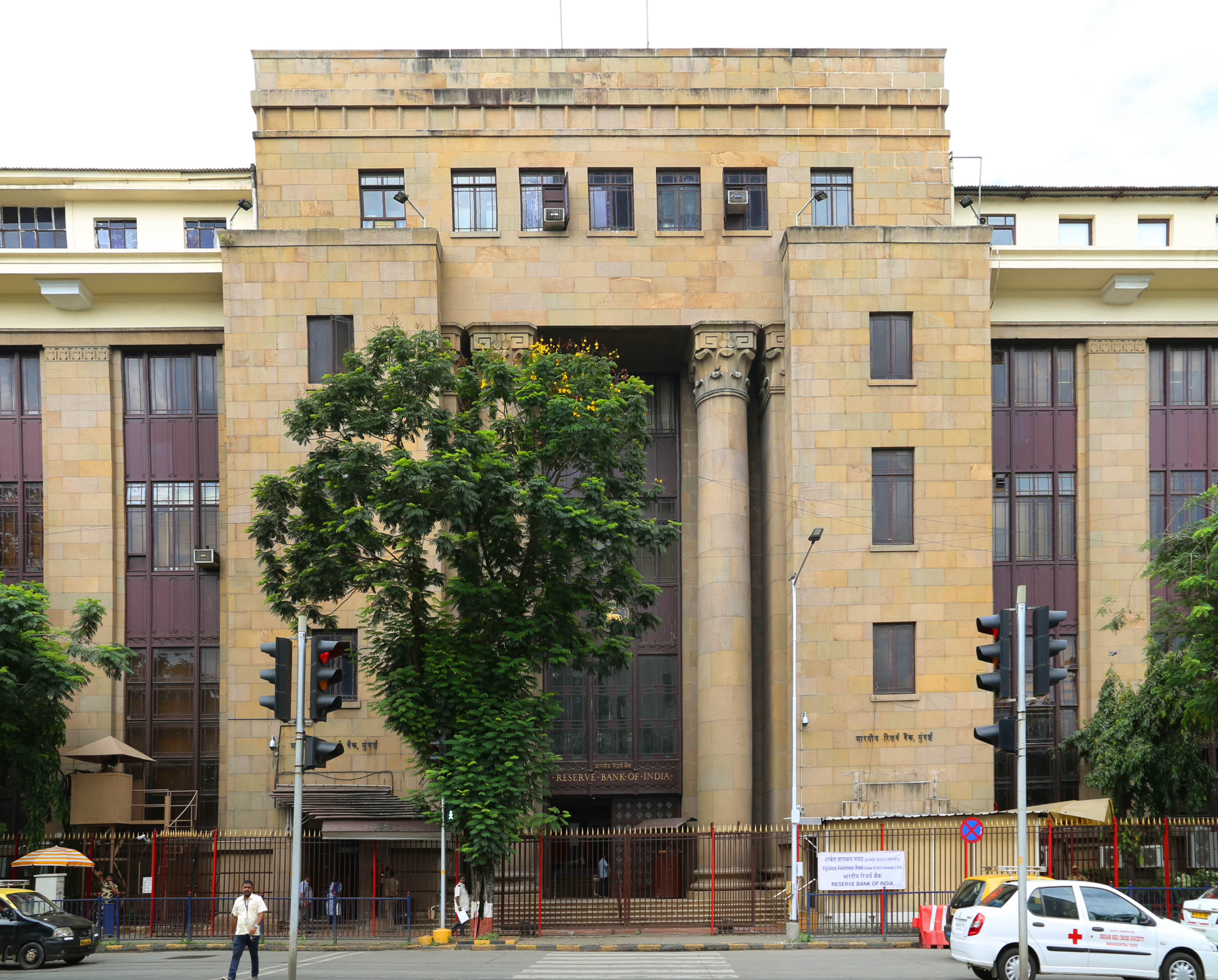
Archival photograph: Reserve Bank of India, Mumbai, 1 November 2019. Photo: Sailko / Wikimedia Commons, CC BY 3.0. Original file page. It is not a photograph of the October 2026 market action.
AI-assisted original report based on the linked sources. It is not currency, investment or hedging advice.




Leave a Reply